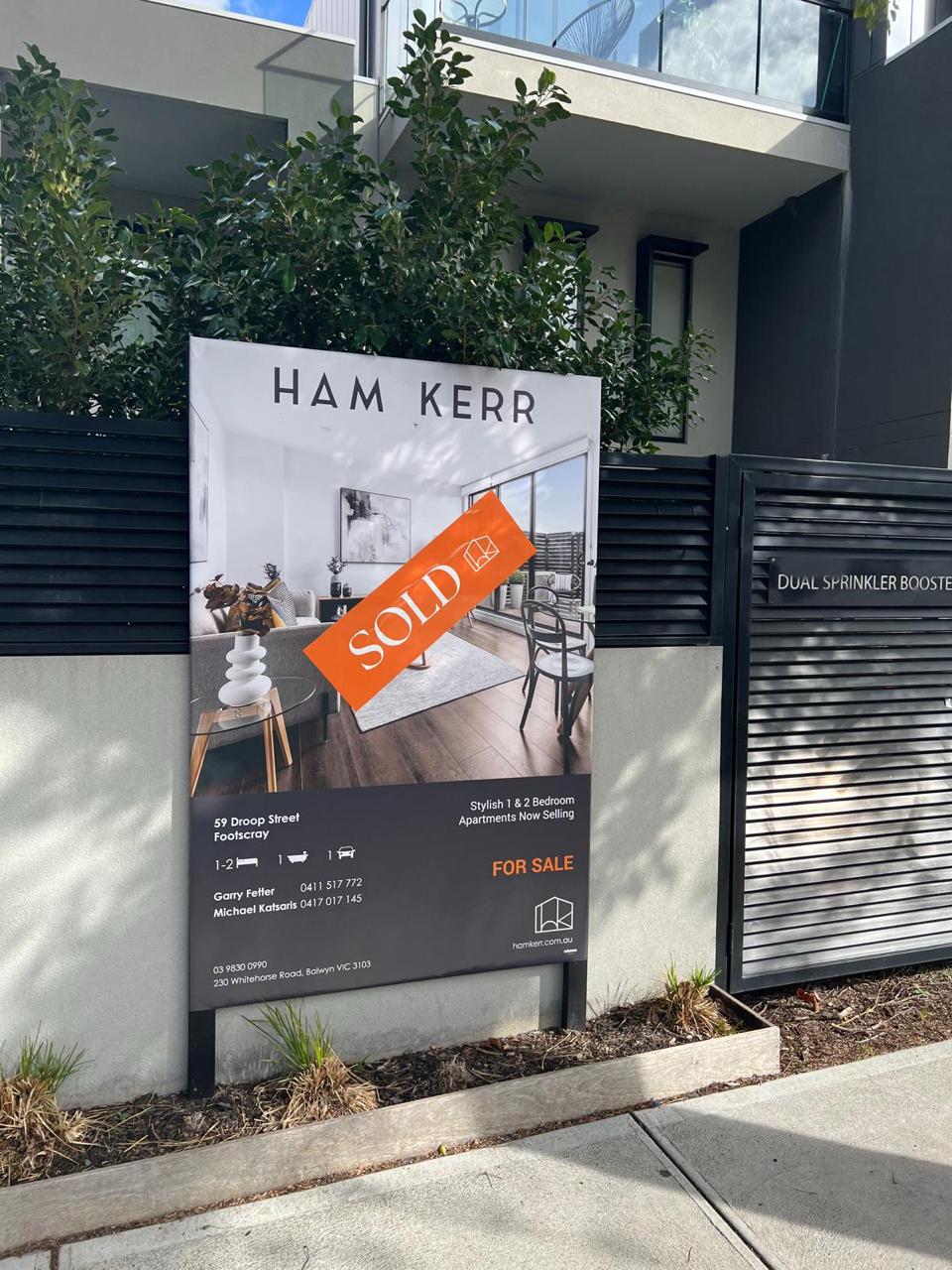
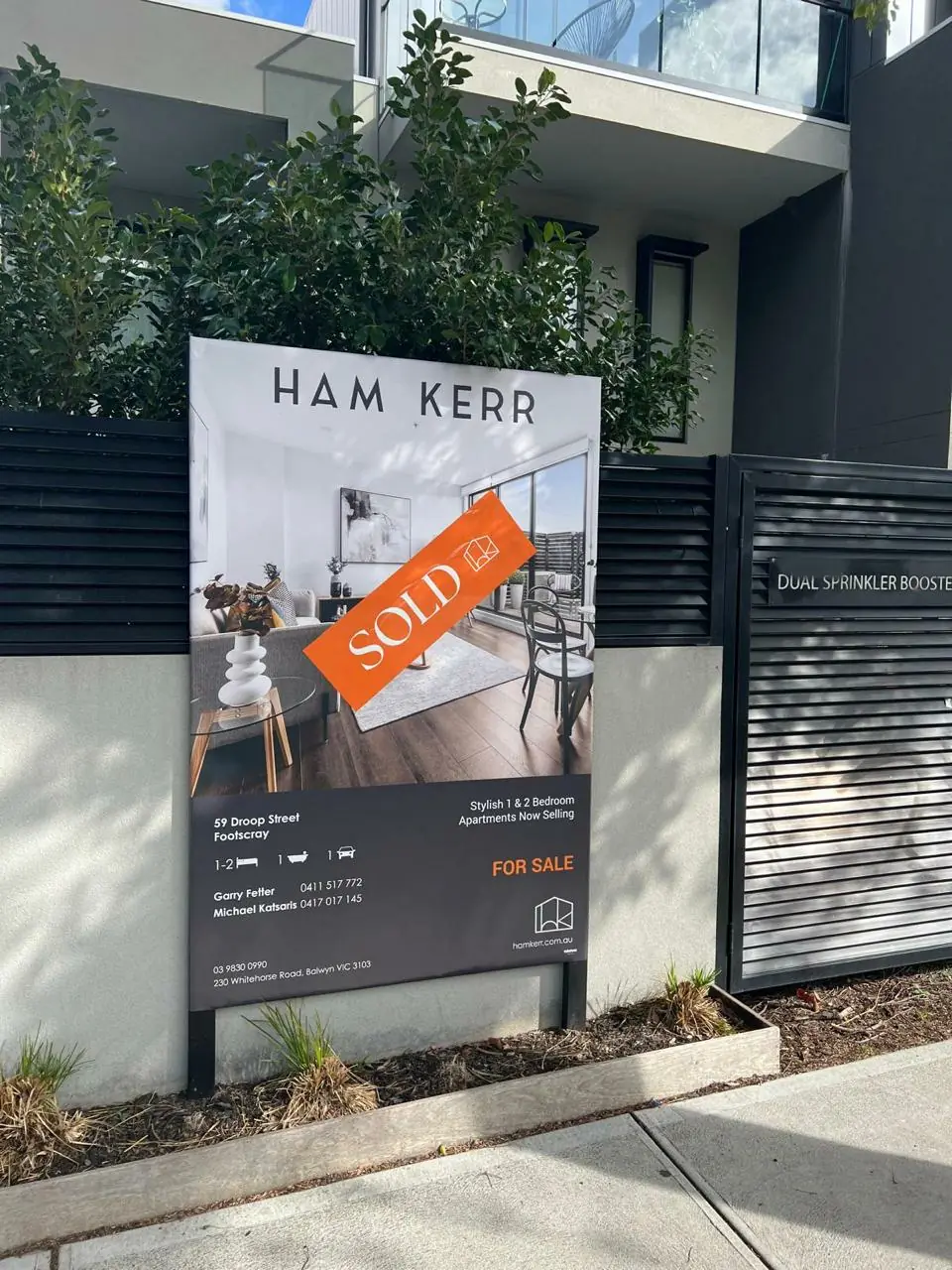
Australia’s final major auction before the real estate market slows down for the year-end had mixed results to show. Capital cities, like Melbourne and Sydney, sold only a couple of houses at the auction, although some of the property types performed well.
According to realestate.com.au, the percentages were as follows:
- Victoria (statewide) – 54% clearance rate from 470 auctions
- 129 sold at auction
- 107 sold prior
- 19 sold after
- 103 withdrawn
- 112 passed in
- New South Wales – 49%
- Queensland – 48%
- South Australia – 70%
- Canberra – 58%
Compared to 2025’s Spring, these clearance percentages are lower. This is mainly due to buyers being sensitive about the prices.
On the contrary, private sales are picking up the pace even as the season comes to an end. This proves that sellers prefer negotiations in this soft market rather than auctions.
Despite the quiet waters in the auction market, commentators remain hopeful as PopTrack’s forecast predicts median house prices in capital cities could rise from 6 to 8% in 2026, which is likely to push the national median above the $1M mark.
The market’s situation
The well-priced and well-presented houses make it, while the over-priced or the houses needing significant reconstruction have it hard. So buyers remain cautious and are extra selective.
From a seller’s perspective, those who were realistic with prices were rewarded. Whereas those with unrealistic prices are stuck and have to witness their properties being passed in or withdrawn, leaving many to switch to private sales.
A closer look at Greater Melbourne
Metropolitan Melbourne recorded a weak clearance rate, reflecting the statewide Victorian figures reported by realestate.com.au. In contrast, Melbourne’s outer suburbs saw a significant number of private house sales over the same weekend.
Performance of residential properties
- 20 December recorded strong results for luxury properties in Oakleigh, Doncaster, and Forest Hill, with prices ranging from an impressive $1.3M to $1.5M.
- The apartment markets in the Central Business District and Docklands recorded strong activity throughout the week and over the weekend.
So why were auction results underperforming?
Clearance rates were affected because:
- The market typically slows toward the end of the year
- Some vendors have unrealistic standards
- Buyers remained patient, choosing to wait until the new year
Despite this, private house sales continued, indicating that buyers are still active and willing to make a move when the price and terms are right.
Insights into the Victorian market
- Geelong – limited data showed that well-maintained houses were in high demand, particularly the beautiful waterfront properties that required little to no renovation.
- Ballarat – even with fewer auctions taking place, private sales remain steady, as first-time buyers and downsizers are attracted to houses close to conveniences and amenities.
- Bendigo – despite fewer than usual auctions and an average number of private sales, buyers still prefer quality houses in desirable locations.
Statewide, the same patterns were noticed: buyers are practical and focused on value. Well-built houses at reasonable prices are in high demand, while overpriced houses fail to attract genuine buyers. This has led sellers to negotiate the prices as a year-end offer.
Broader factors affecting the real estate market
- Slow price growth in Melbourne, however, cities like Perth, Brisbane, and Adelaide show promising momentum.
- Some buyers regret, resulting in even more cautious buyer behaviour.
- Australia is likely to see gradual price increments, driven by long-term factors such as migration, income growth, and housing supply shortages.
All in all, price sensitivity has a greater impact on the market than demand itself. Buyers are no longer willing to compromise; true value prevails and sells.
What would the market look like in the next 4 to 8 weeks?
- Auction sales will drop significantly throughout late December and January.
- Clearance rates are likely to become a less reliable benchmark.
- Private sales will dominate the market.
- Buyer competition is expected to pick up again, especially in Melbourne and Sydney, between February and March.
Key risks:
- Seasonal timing and holidays are likely to limit market activity.
- Price negotiations will take a while if prices remain high.
Opportunities:
- Strategic buyers still achieve great results even during the quiet months.
If you are considering buying or selling your property, now is the ideal time to plan your strategy. Studying the current market trends and performance will help you make smart and easy decisions.
 Skip to content